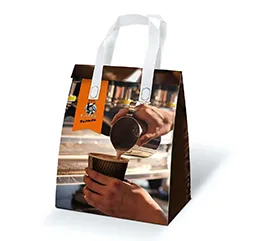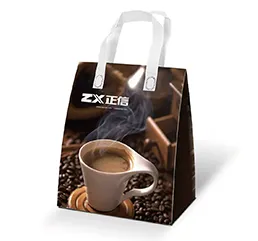
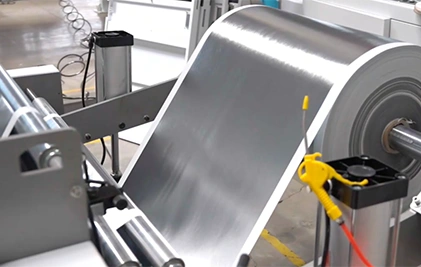
The feeding, deviation correction, and edge folding systems use intelligent servo positioning — replacing traditional manual handwheel adjustment. Online soft handle sealing.
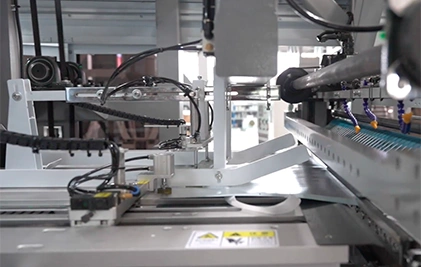
The creasing part moves back and forth with intelligent position adjustment. The reciprocating air knife system creates three-dimensional bag structures with crisp, defined creases. Multifunctional mold, ultrasonic welding.
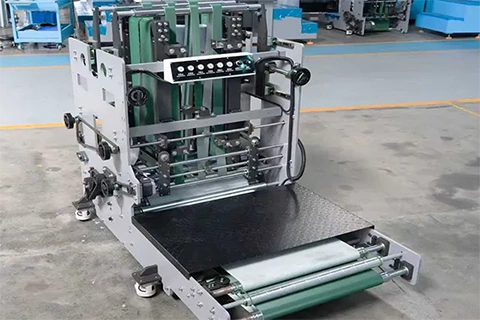
The new type bag collecting machine adopts the visual operation of the computer display screen. The preset batch quantity can be configured as needed,allowing operators to collect uniformly stacked bags with ease.
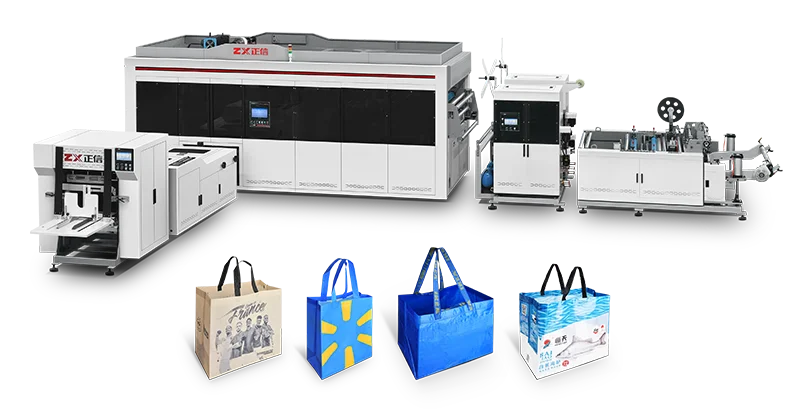
| Bag width | 110-550mm |
|---|---|
| Bag height | 200-450mm |
| Side gusset | 80-220mm |
| Handle length | 350-620mm |

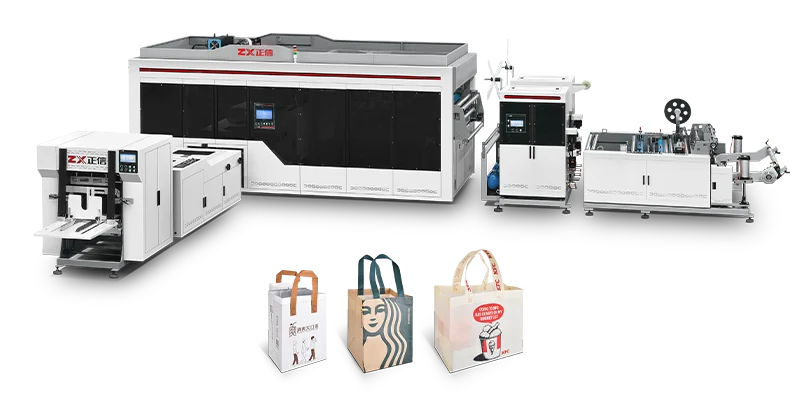
| Bag width | 110-550mm |
|---|---|
| Bag height | 200-450mm |
| Side gusset | 80-220mm |
| Handle length | 350-620mm |
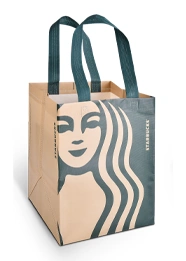
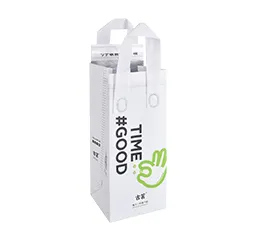
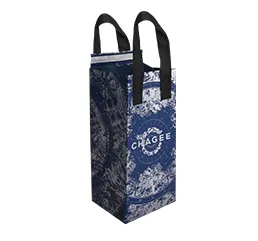
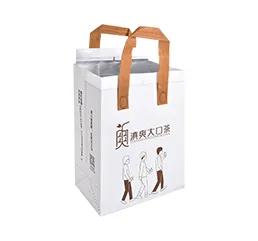
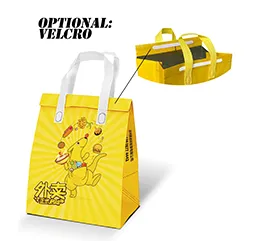
A non-woven cooler bag is an insulated bag made primarily from non-woven polypropylene fabric, designed to keep food and beverages at a desired temperature. The construction typically includes an outer layer of non-woven fabric for strength and shape, and an inner insulation core. It's commonly used for grocery shopping, takeaway food delivery, and picnic outings.
The insulation duration varies depending on the quality of the insulation layer and external conditions. Generally, a well-constructed non-woven cooler bag can maintain temperature for several hours. For optimal performance, pre-cool or pre-heat the bag before use and avoid opening it frequently.
Key features include tear-resistant, waterproof non-woven fabric that is easy to clean, durable, rust-proof zippers that ensure smooth operation, well-aligned bag panels and carrying straps, and proper stitching (one inch to five stitches is recommended for load capacity).
Non-woven cooler bags offer water resistance, though they may not be completely waterproof. Laminated versions provide better water resistance compared to bare fabric options. While not as leak-resistant as some alternatives, improved sealing mechanisms and materials have significantly enhanced moisture resistance in recent years.
Store the bags in a dry place to prevent mold and maintain the fabric's integrity. For cleaning, wipe with a damp cloth and mild detergent; avoid machine washing as it may damage the insulation layer. Regular inspection of zippers and stitching will help extend the bag's service life.
Fill in the form below and our team will respond shortly.