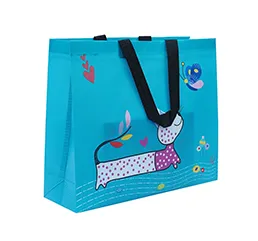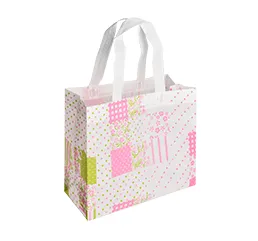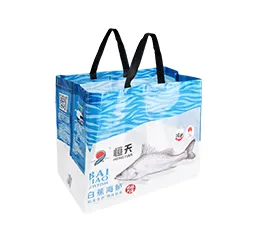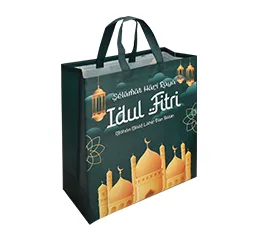
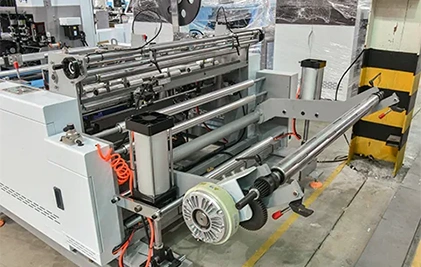
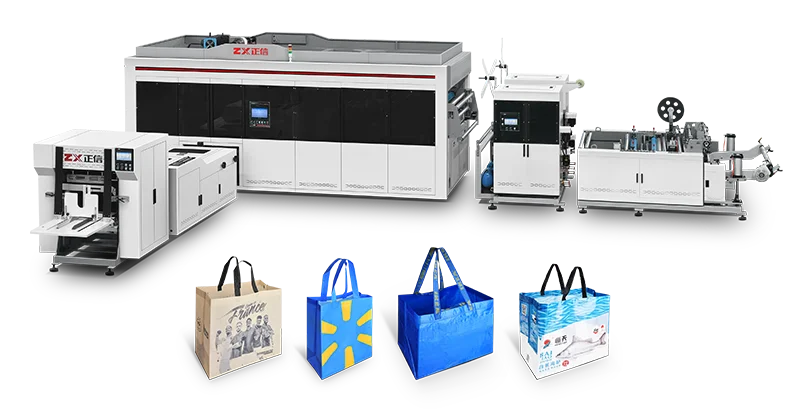
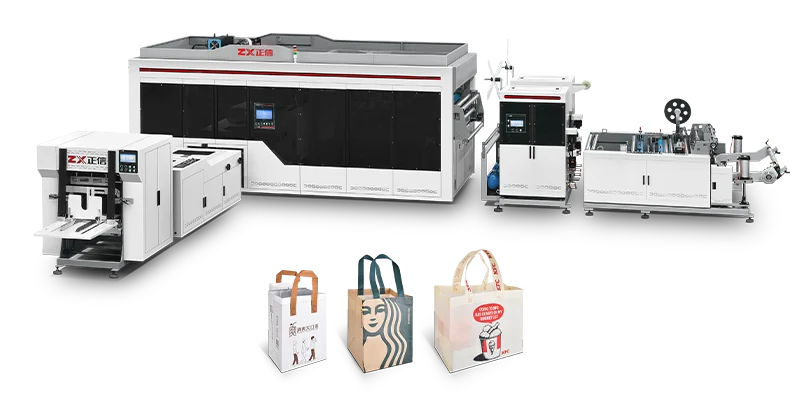
The feeding, deviation correction, and edge folding systems use intelligent servo positioning — replacing traditional manual handwheel adjustment. Online soft handle sealing.
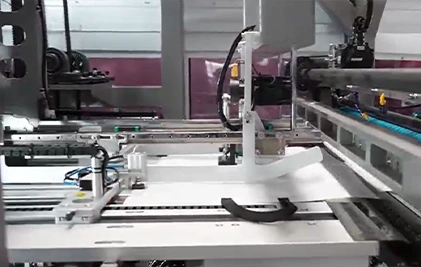
The creasing part moves back and forth with intelligent position adjustment. The reciprocating air knife system creates three-dimensional bag structures with crisp, defined creases. Multifunctional mold, ultrasonic welding.
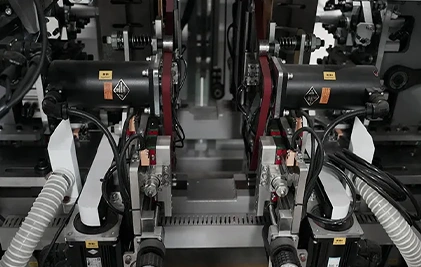
The new type bag collecting machine adopts the visual operation of the computer display screen. The preset batch quantity can be configured as needed,allowing operators to collect uniformly stacked bags with ease.
| Bag width | 110-550mm |
|---|---|
| Bag height | 200-450mm |
| Side gusset | 80-220mm |
| Handle length | 350-620mm |
| Bag width | 110-550mm |
|---|---|
| Bag height | 200-450mm |
| Side gusset | 80-220mm |
| Handle length | 350-620mm |
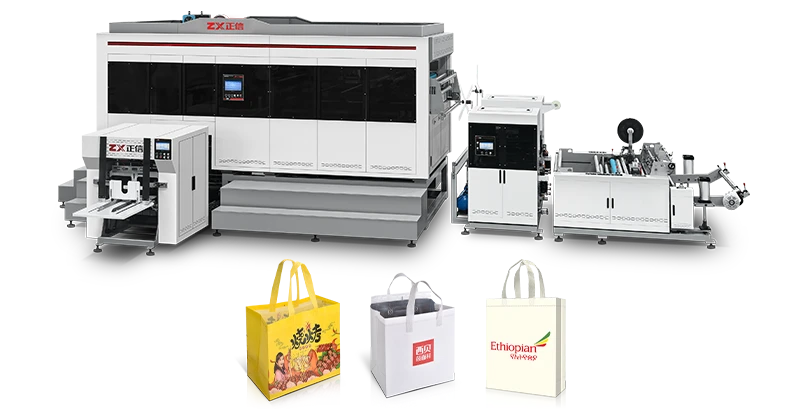
| Bag width | 110-550mm |
|---|---|
| Bag height | 200-450mm |
| Side gusset | 80-220mm |
| Handle length | 350-620mm |
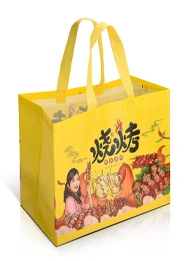
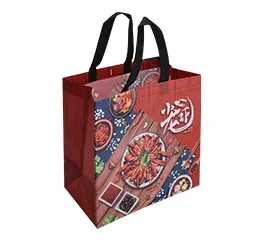
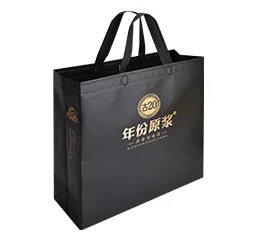
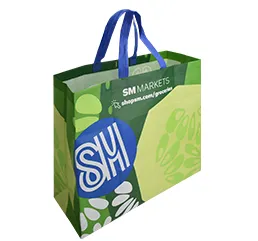
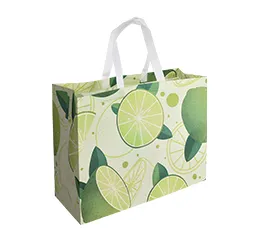
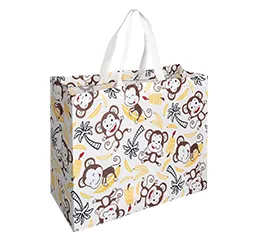
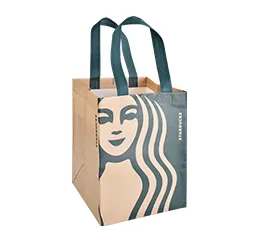
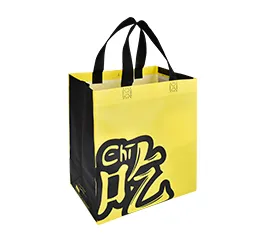
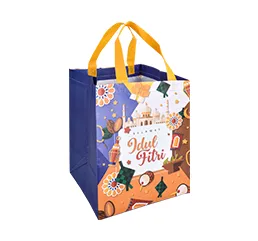
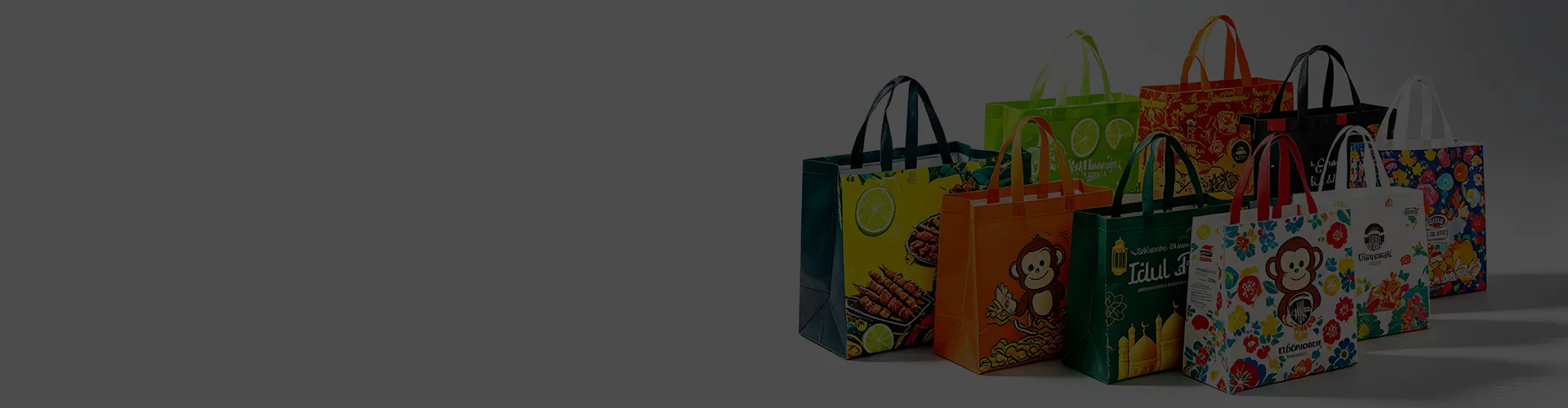
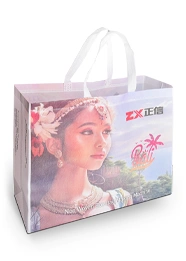
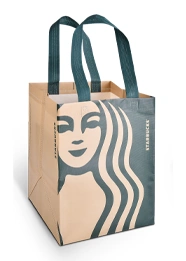
A laminated 3D bag is a non-woven bag with a three-dimensional structure (side gussets and flat bottom) that has been coated with a plastic film layer, typically OPP or BOPP. The lamination process bonds the film to the non-woven fabric base, creating a durable, water-resistant product with a premium finish.
Lamination provides superior durability, water resistance, and a premium appearance. It allows for high-quality, vibrant printing that won't fade or wash off, protects the bag from moisture and tear, and gives the bag a professional, glossy or matte finish.
It is not recommended to store food that is too hot (over 60°C) in laminated non-woven bags. High temperatures may cause the film layer to separate from the non-woven fabric and could potentially release harmful substances from the laminated material (PE/CPP).
The base non-woven fabric for laminated bags typically ranges from 25g to 90g per square meter. Heavier fabrics provide more durability and structure, while lighter fabrics are suitable for lighter applications.
For non-woven bags, screen printing works well for simple artwork and logos, though tiny text on rough fabric should be avoided. For richer graphics and more complex designs, lamination provides a smooth surface that enables higher-quality printing results
Fill in the form below and our team will respond shortly.