High material costs, environmental restrictions, and poor-quality bags plague many manufacturers. Without understanding how non-woven fabrics are made, production remains unstable. Learn how to solve this and scale your business.
Non-woven fabrics are made by bonding fibers together using thermal, mechanical, or chemical processes instead of weaving. They offer strength, versatility, and cost-efficiency, making them ideal for eco-friendly bags.
Understanding the non-woven production process is essential for manufacturers seeking to cut costs and meet plastic ban regulations.
What Are Non-Woven Fabrics?
Non-woven fabrics are engineered textiles made from long fibers that are bonded together by chemical, mechanical, heat, or solvent treatment. Unlike traditional woven fabrics, these materials are not formed by weaving threads together but by directly binding fibers to create a flexible yet durable sheet. The result is a lightweight, breathable, and strong material used across multiple industries — especially for making reusable bags.
The Manufacturing Process of Non-Woven Fabrics
The creation of non-woven fabrics follows a systematic series of steps, each tailored to deliver high performance, stability, and environmental benefits.
Fiber Selection and Preparation
The most commonly used material is polypropylene (PP), favored for its durability, recyclability, and cost-effectiveness. In some cases, RPET (Recycled Polyethylene Terephthalate) and other eco-friendly materials are also used to enhance sustainability.
Web Formation
The chosen fibers are laid into a web using one of two methods:
-
Dry-laid: Fibers are dispersed in air and deposited onto a moving belt.
-
Wet-laid: Fibers are suspended in water and then deposited onto a screen to drain and form a mat.
Bonding Techniques
This is the most critical step, where the fibers are fused:
-
Thermal bonding: Heated rollers melt the fibers to bond them.
-
Chemical bonding: Binders are applied to hold the fibers together.
-
Mechanical bonding: Entanglement of fibers using needles (needle punching) or high-pressure water jets (hydroentangling).
Finishing
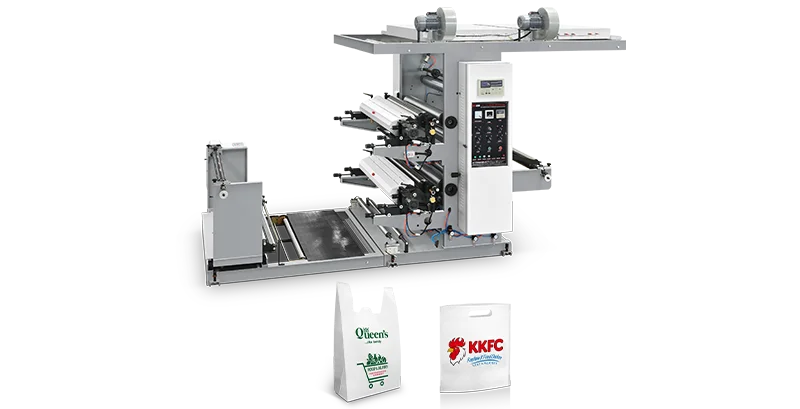
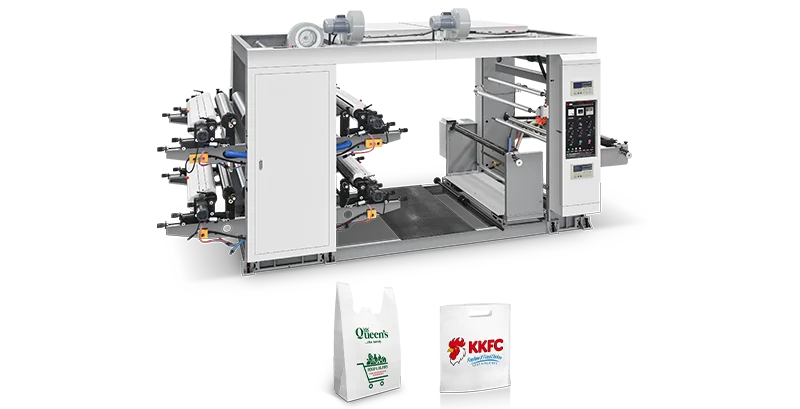
Once bonded, the material is rolled out and may undergo additional treatments such as printing, laminating, or ultrasonic sealing — as used in ZX machines — to enhance its functionality and appearance.
Why Manufacturers Choose Non-Woven Fabric
Eco-Friendly and Compliant with Plastic Bans
Governments worldwide are banning plastic packaging, urging a shift toward alternatives. Non-woven fabrics are biodegradable, recyclable, and reusable, making them ideal replacements. Zhejiang Zhengxin Machinery Co., Ltd. (ZX) provides machinery that ensures non-woven bags meet strict environmental standards in markets like Africa, Southeast Asia, and the Middle East.
Cost-Effective and Scalable
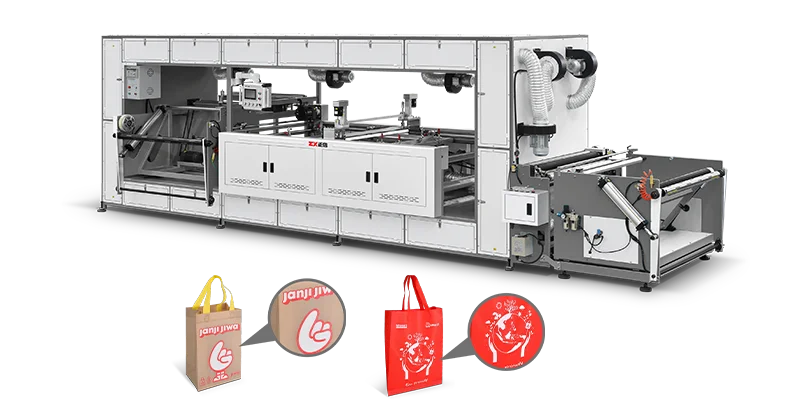
Non-woven fabrics are cheaper to produce at scale due to high-speed, automated equipment. ZX’s machines offer automated feeding, ultrasonic welding, and color touchscreen interfaces, minimizing labor and material waste.
Versatile Applications
From food packaging to gift bags and fashion carriers, non-woven fabrics are adaptable to various industries. ZX machines are designed to work with multiple fabric types, including laminated composites, PP, woven materials, and transparent films.
ZX Machinery’s Edge in Non-Woven Fabric Production
ZX has spent over a decade perfecting non-woven bag-making machinery. Its high-end machines are tailored for manufacturers aiming for precision, automation, and eco-conscious production.
Key Technologies:
-
Ultrasonic welding: Replaces traditional sewing with precise, clean sealing.
-
Touch screen controls: Simplifies operations and ensures accuracy.
-
Multi-functional capabilities: Enables one machine to produce a wide variety of bag types.
-
Stability & scalability: Ensures consistent performance even at high outputs.
With strong after-sales support, ZX has built long-term partnerships in over 40 countries, helping manufacturers expand production while complying with local regulations.
Why This Matters for You
Choosing the right technology and understanding how non-woven fabrics are made can be the difference between profit and loss. As demand for eco-packaging grows globally, mastering this process ensures you’re ready for future regulations and market shifts.
ZX's machines provide a one-stop solution for fabric bonding, bag formation, cutting, and printing — simplifying the entire production chain.
Conclusion
Non-woven fabric production empowers sustainable, scalable manufacturing.