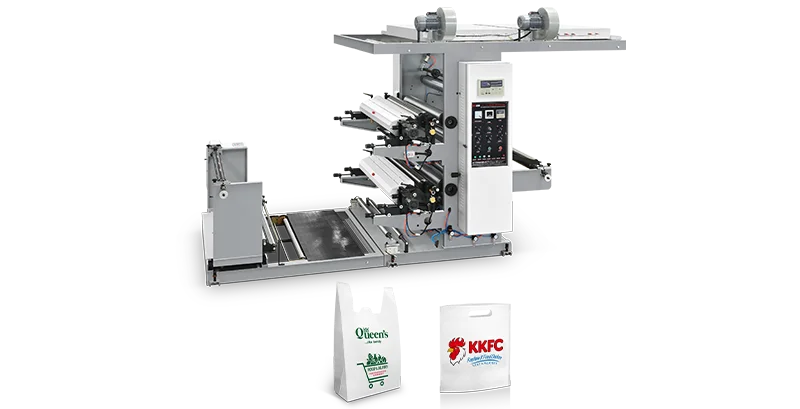
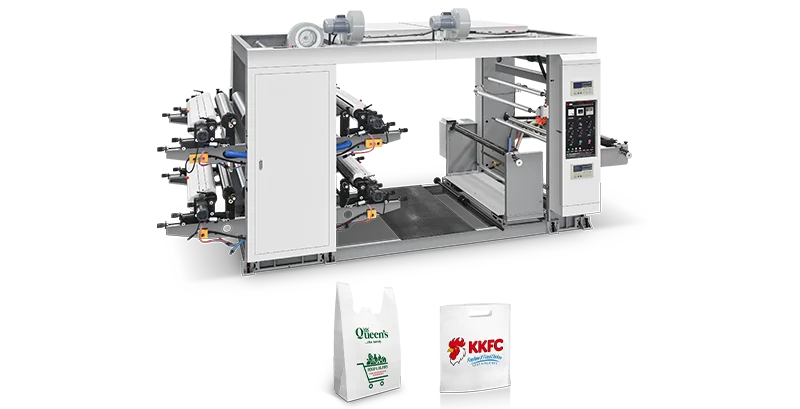
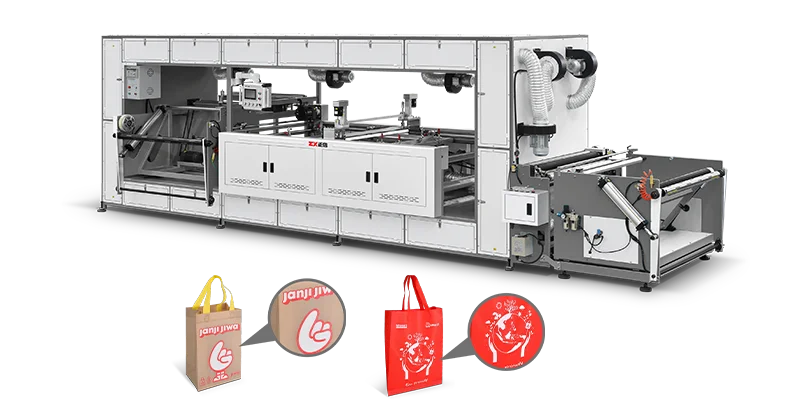
Investing in a non woven bag making machine is a smart move for any business looking to tap into the growing demand for eco-friendly packaging. According to Mordor Intelligence, the global non woven packaging market reached 1.86 million tons in 2026 and is projected to grow at 7.38% CAGR through 2031. With governments worldwide tightening single-use plastic bans, demand for non woven bag production equipment will only accelerate.
However, like any piece of industrial equipment, these machines come with their own set of challenges. Whether you are a first-time buyer or an experienced manufacturer, understanding the common issues that can arise—and knowing exactly how to fix them—is essential for keeping your production line running smoothly and profitably.
Uneven Cutting and Incorrect Bag Sizes
One of the most frequent complaints operators have about their nonwoven bag making machine is inconsistent cutting. Bags come out with uneven edges or dimensions that don't match the specified settings. This problem is almost always traced back to dull or damaged cutting blades. Over time, constant use wears down blades, and if they are not inspected regularly, the quality of your output will suffer.
The fix is straightforward: establish a routine inspection schedule for your cutting mechanism. Sharpen or replace blades as soon as you notice any decline in cutting precision. Also, double-check that the bag dimensions are correctly entered into the control panel. A small investment in blade maintenance can save you from wasting materials and reworking defective batches.
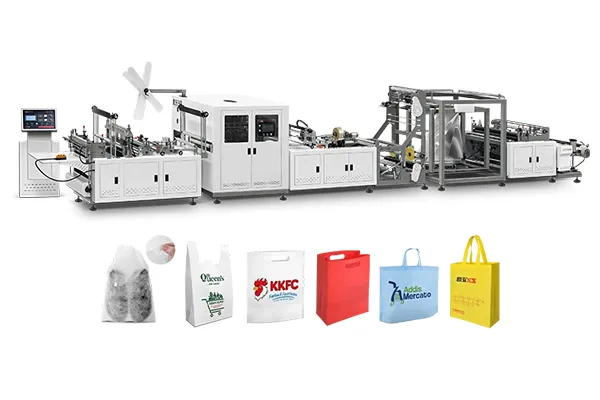
Weak or Inconsistent Sealing Quality
Poor heat sealing is another issue that plagues many non woven bag operations. If your bags are coming apart at the seams or the seals look weak, the problem usually lies with the heating system. Inadequate sealing temperature, faulty heating elements, or dirt buildup on the sealing surface can all compromise bag integrity.
The first thing to check is temperature. Polypropylene (PP)—the most common material for non woven bags—has a heat-sealing sweet spot between 120°C and 123°C (248-253°F)². If your sealing bar is running below this range, the fabric won't bond properly; too far above it, and you risk melting through the material. For heavier GSM fabrics, you may need to push toward the upper end of this range and slightly extend dwell time. For lightweight materials (below 50 GSM), stay at the lower end with shorter dwell times to avoid burning.
If temperature adjustment doesn't solve the problem, inspect the heating elements for signs of uneven heat distribution or physical wear, and replace any that show decline. Also, keep the sealing surface clean—residue buildup from melted fibers creates cold spots that produce inconsistent seals. Remember, strong seals are non-negotiable if you want your bags to hold up in real-world use.
Machine Jamming and Unexpected Stoppages
Few things are more frustrating than a nonwoven bag making machine that keeps jamming in the middle of a production run. Jams typically occur when debris accumulates in the feeding system, when the material tray is overloaded, or when internal components fall out of alignment.
Prevention is the best cure here. Clean the feeding system regularly to remove dust and fiber buildup. Avoid overloading the machine with raw materials, and perform routine checks to ensure all moving parts are properly aligned. A clean, well-maintained machine is far less likely to experience unexpected stoppages.
Electrical and Control Panel Malfunctions
Modern nonwoven bag making machines rely heavily on digital control systems. When these systems fail, production comes to a halt. Loose wiring, software glitches, and power fluctuations are the usual suspects.
Regular electrical inspections can prevent most of these issues. Check all connections and wiring periodically, and consider installing a voltage stabilizer to protect your equipment from power surges. If your control panel starts acting up, don't ignore it—address the problem immediately before it escalates into something more serious.
High Energy Consumption and Operating Costs
With rising energy costs, many operators are concerned about how much power their machine consumes. A fully automatic non woven bag making machine can draw anywhere from 6 kW to 15 kW or more, depending on the model and configuration. Over time, these energy costs add up and eat into your profit margins.
The most impactful decision you can make is at the purchasing stage: look for machines equipped with IE3 (Premium Efficiency) or IE4 (Super Premium Efficiency) motors, as defined by the international IEC 60034-30-1 standard³. An IE3 motor typically consumes 15-20% less energy than a standard-efficiency equivalent under the same workload—a difference that translates directly to your bottom line over the machine's 8-10 year service life.
Once the machine is in operation, regular calibration of temperature and pressure settings ensures it isn't working harder than it needs to. Also, consider whether a fully automatic model is truly necessary for your production volume—a semi-automatic machine may offer a better balance of cost and efficiency for smaller operations.
Operator Training and Maintenance Challenges
A common concern among buyers is whether their team can actually operate and maintain the equipment. The good news is that most modern nonwoven bag making machines come with intuitive touchscreen interfaces that make operation relatively straightforward. However, proper training is still essential.
Daily maintenance tasks like cleaning, lubrication, and visual inspections are not complicated and can be handled by trained operators. More complex repairs—particularly those involving electrical or pneumatic systems—may require professional technical support. The takeaway: invest in operator training upfront, and keep a maintenance log to track all service activities.
Final Thoughts
A nonwoven bag making machine is a significant investment, but with proper care and attention, it can deliver excellent returns. The key is to stay proactive about maintenance, address problems as soon as they appear, and choose equipment that matches your specific production needs. Whether you are producing shopping bags, T-shirt bags, or custom designs, a well-maintained machine will consistently deliver high-quality output and keep your customers satisfied.
Ready to take your nonwoven bag production to the next level? Contact us today to learn more about our range of nonwoven bag making machines and find the perfect solution for your business.