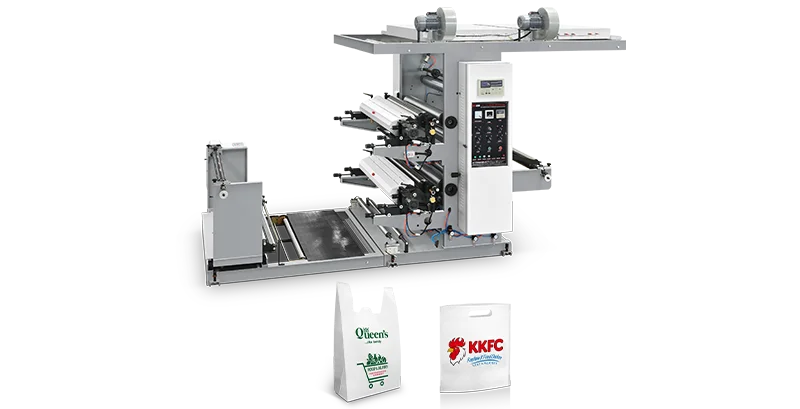
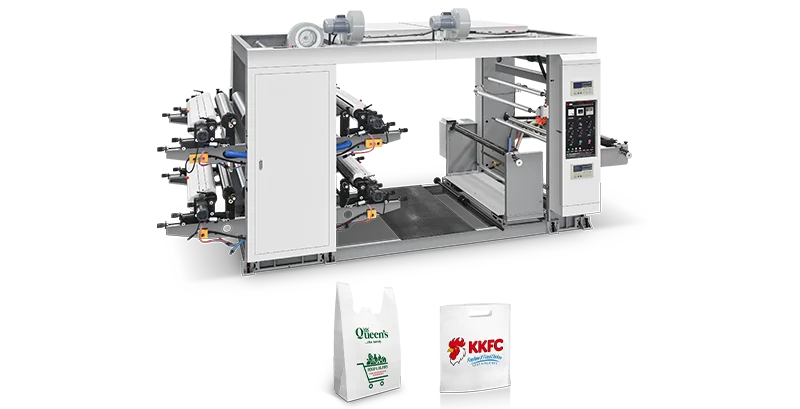
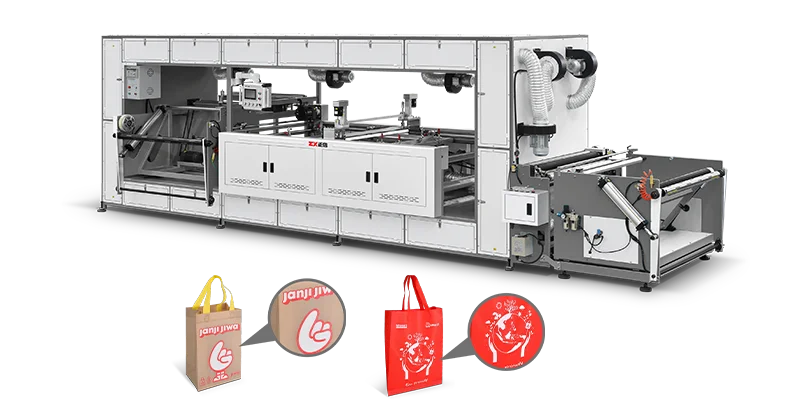
A nonwoven bag making machine is a significant capital investment. When it runs well, production flows smoothly, quality stays consistent, and your operation remains profitable. When it doesn't, you deal with scrap, downtime, and repair bills that eat into margins.
Most factory managers understand that maintenance matters. But what many don't realize is that the difference between a machine that lasts five years and one that lasts ten often comes down to the daily habits of the people running it. A well-maintained automatic nonwoven bag making machine doesn't just break down less often—it produces better bags, uses less energy, and requires fewer costly repairs over its lifetime.
This guide covers the maintenance practices that actually move the needle. Not generic advice, but actionable steps that keep your nonwoven bag production machine running at peak performance year after year.
Why Preventive Maintenance Makes or Breaks Your Nonwoven Bag Machine
The production process of a nonwoven bag making machine involves unwinding fabric, folding, ultrasonic sealing, cutting, handle punching, and stacking. Each station depends on the others. When one component drifts out of specification, the entire line suffers.
Preventive maintenance is not about fixing what's broken. It's about catching small issues before they become big problems. A slightly dull blade that costs fifty dollars to replace can cause misaligned cuts that ruin hundreds of bags before anyone notices. A loose sensor connection that takes five minutes to tighten can shut down production for half a day when it finally fails.
The economics are straightforward. Regular inspection and upkeep reduce wear on components, minimize the risk of sudden breakdowns, and extend the service life of the equipment. Machines that receive consistent care also maintain tighter tolerances, which means fewer rejects and less material waste.
Daily Maintenance: The Habits That Separate High-Performance Shifts
Start Each Shift with a Walkthrough
Before the first bag runs through a nonwoven bag making machine, take five minutes to walk the line. Check that sensors are clean and properly positioned. Verify that fabric is threaded correctly through the rollers and that tension feels consistent. Listen for unusual noises—grinding, clicking, or whining sounds often signal a developing issue before it becomes visible.
This is also the time to check the control panel for any error messages or warnings that might have appeared since the last shift. Modern machines often log events that operators can review before starting production.
Clean as You Go
Dust and debris accumulate quickly during production. Nonwoven fabrics shed fibers, and these particles can work their way into sensors, rollers, and drive components. Over time, this buildup causes misreads, drag, and premature wear.
Use a soft cloth and non-corrosive cleaner to wipe down the machine's exterior and accessible interior components. Pay special attention to sensors and photoelectric eyes—these are the machine's primary feedback mechanisms, and dirty sensors are one of the most common causes of intermittent stoppages.
For the heat sealing and ultrasonic welding stations, residue can build up on the sealing surfaces. This affects weld quality and can lead to inconsistent bag strength. A quick cleaning between runs keeps the seal consistent and reduces the need for mid-run adjustments.
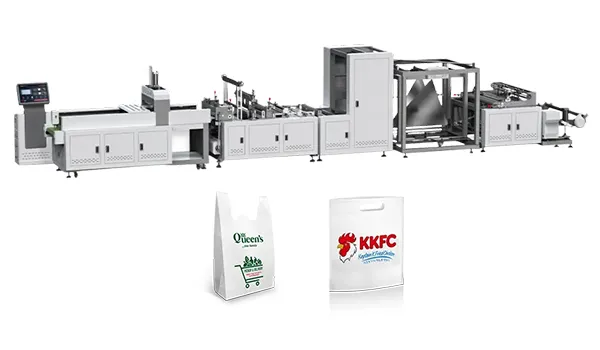
Lubricate According to Schedule, Not Memory
Moving parts need lubrication. Gears, chains, shafts, and bearings all rely on clean lubricant to reduce friction and minimize fatigue. But here's where many operations go wrong: they lubricate on a fixed calendar schedule rather than based on actual machine hours.
A nonwoven bag making machine that runs two shifts a day needs more frequent lubrication than one that runs a single shift. Follow the manufacturer's recommended interval measured in operating hours, not days or weeks. And use the specified lubricants—substituting with cheaper alternatives often causes more harm than good.
Document every lubrication task. A maintenance log helps track when each component was last serviced and makes it easier to spot patterns.
Weekly and Monthly Checks That Prevent Costly Breakdowns
Inspect Wearing Components
Cutting blades, heating elements, sealing bars, and conveyor belts all have finite lifespans. The key is replacing them before they fail, not after.
Check blades for sharpness and alignment. A dull blade doesn't just cut poorly—it puts extra strain on the drive system, which can lead to misalignment and premature wear on other components. Similarly, inspect heating elements and sealing bars for signs of damage or uneven wear. These components directly affect bag quality, and replacing them proactively is far cheaper than dealing with a production run of defective bags.
For machines with ultrasonic welding systems, inspect the welding horns and anvils for cracks or wear. Even small defects in the horn surface can cause inconsistent welds and material waste.
Verify Electrical Connections
Electrical issues are among the most frustrating problems to diagnose on a nonwoven bag making machine. They can be intermittent, difficult to reproduce, and time-consuming to trace.
Periodically check electrical connections, wiring, and control panels for loose connections, signs of overheating, or corrosion. Tighten terminal blocks that have worked loose over time. Clean dust from the control cabinet—accumulated dust can trap heat and shorten the life of sensitive electronics.
If your machine has a backup battery for memory retention, test it periodically and replace it before it fails. Losing machine parameters can mean hours of reconfiguration.
Calibrate Settings for Accuracy
Temperature, pressure, alignment, and timing settings drift over time. What produced perfect bags last month might be slightly off today. Regular calibration ensures that the machine continues to produce bags that meet specification.
Run test bags after any significant adjustment or at regular intervals during production. Check dimensions, seal strength, and handle placement. If something is drifting, catch it early before a full batch needs to be scrapped.
Troubleshooting Common Nonwoven Bag Making Machine Issues
Even with diligent maintenance, issues arise. Knowing how to diagnose and resolve common problems quickly minimizes downtime.
Inconsistent Sealing or Welding
When seals are weak, uneven, or failing entirely, start with the basics. Check that the sealing temperature is correct for the material weight and type. Verify that the sealing bars or ultrasonic horns are clean and free of residue. Inspect the fabric for consistent thickness—variations in the material can cause sealing issues that have nothing to do with the machine itself.
If the problem persists, check the alignment of the sealing components. Misalignment creates pressure variations that result in inconsistent seals.
Bag Size Variation
When bag dimensions start drifting, the issue is often in the feeding system. Check roller tension—too much tension stretches the fabric, while too little allows slippage. Verify that the feed rollers are clean and gripping the material evenly.
Also check the encoder or sensor that tracks material length. If these are dirty or misaligned, the machine will misjudge the amount of fabric being fed.
Handle Punching Misalignment
For T-shirt and handled bags, misaligned handle holes are a common frustration. This usually points to timing issues between the punching station and the main drive. Check that the servo timing is correct and that the punching die is properly aligned.
Also verify that the fabric is feeding straight through the machine. Wrinkles or diagonal feeding will cause the punch to hit the wrong position even when timing is correct.
Frequent Stoppages
When a nonwoven bag making machine stops frequently without an obvious cause, start with the sensors. Photoelectric sensors are particularly susceptible to dust and debris. Clean them and verify their alignment. Check that all safety interlocks are properly engaged—sometimes a slightly misaligned guard can trigger a stop condition.
If sensors check out, look at the air supply. Pneumatic systems require clean, dry air at the correct pressure. Low pressure or contaminated air can cause cylinders to move slowly or erratically, triggering faults.
The Maintenance Schedule That Works
A structured maintenance schedule removes guesswork and ensures nothing gets overlooked.
Daily Tasks
Clean sensors, rollers, and accessible surfaces.Inspect fabric path and tension.Verify air pressure and system checks.Review control panel for warnings.Document any observations.
Weekly Tasks
Lubricate moving parts according to hours run.Inspect blades and sealing components.Clean electrical cabinet and check connections.Run test bags and verify dimensions.Update maintenance log.
Monthly Tasks
Inspect all wearing parts and order replacements as needed.Check ultrasonic horns and anvils for wear.Verify calibration of temperature and pressure settings.Inspect drive belts and chains for tension and wear.Review maintenance log for recurring issues.
Quarterly Tasks
Full machine inspection.Replace lubricants and filters.Thorough electrical system check.Professional calibration if required.Review spare parts inventory.
Operator Training: The Most Overlooked Maintenance Factor
The best maintenance schedule in the world is useless if operators don't follow it. Invest time in training operators to perform daily checks, recognize early warning signs, and understand the basics of troubleshooting.
Operators who know their machine can spot problems before they cause downtime. They can make minor adjustments that keep production running smoothly. And they can communicate effectively with maintenance technicians when something needs professional attention.
Document standard operating procedures for maintenance tasks. Make them accessible. Update them when processes change. A well-trained team is the single most effective maintenance investment you can make.
Summary
A nonwoven bag making machine that receives proper care will consistently outperform one that doesn't. The difference shows up in uptime, output quality, and the bottom line.
What to take away:
Daily cleaning and inspection catch small issues before they become expensive problems.Regular lubrication reduces wear and extends component life significantly.Proactive replacement of wearing parts prevents unplanned downtime.Consistent calibration ensures bag quality stays within specification.Operator training multiplies the effectiveness of every maintenance task.
The maintenance practices outlined here are not complicated. They require discipline, consistency, and a commitment to treating the machine as the valuable asset it is. Do them well, and your automatic nonwoven bag making machine will reward you with years of reliable service.
Ready to Optimize Your Nonwoven Bag Production Line?
Whether you are establishing a maintenance program for an existing nonwoven bag making machine or evaluating equipment for a new production line, we can help. Our team understands the maintenance demands of high-speed bag production and can provide guidance on keeping your operation running at its best.
Contact us to discuss your production goals, maintenance challenges, or equipment needs.