Confused by the types of eco-friendly bags? Choosing the wrong one can impact cost, quality, and sustainability—understanding the difference is key.
Woven bags are made from interlaced fabric fibers and are reusable and durable, while nonwoven bags are bonded without weaving, offering cost-effective, customizable, and eco-friendly solutions for mass production.
Explore deeper differences and find the best fit for your business needs.
Woven and nonwoven bags serve similar functions but differ significantly in material structure, manufacturing methods, durability, and applications. Understanding these differences is essential for businesses and manufacturers looking to optimize production, comply with plastic bans, and reduce environmental impact.
Material Composition and Manufacturing
Woven bags are produced by weaving threads over and under each other in a traditional textile method. This process makes them highly durable and tear-resistant, ideal for heavy-duty applications. In contrast, nonwoven bags are made from long fibers bonded together by chemical, mechanical, heat, or solvent treatment, typically using polypropylene (PP) spunbond fabric. This method eliminates the weaving process, allowing for faster and more cost-efficient production.
Durability and Usability
Due to their tightly woven structure, woven bags are more robust and suitable for repeated use and carrying heavy items, such as in agriculture or industrial packaging. Nonwoven bags, while less durable, are lightweight and still offer adequate strength for everyday retail or promotional uses. For customers prioritizing longevity, woven bags are preferred. For those needing a balance of strength, low cost, and eco-friendliness, nonwoven bags are ideal.
Customization and Printing
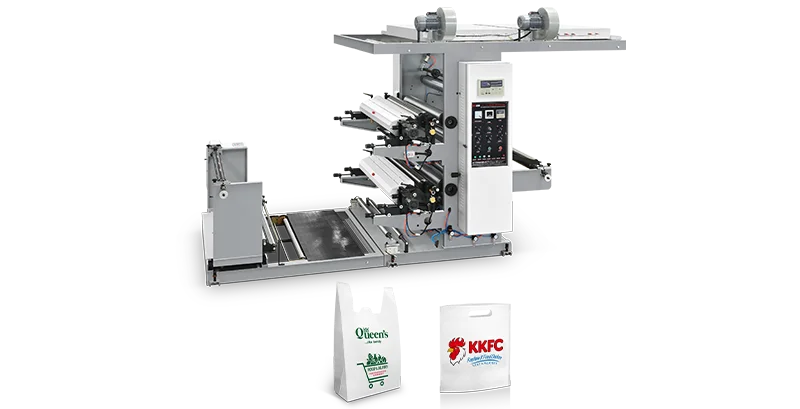
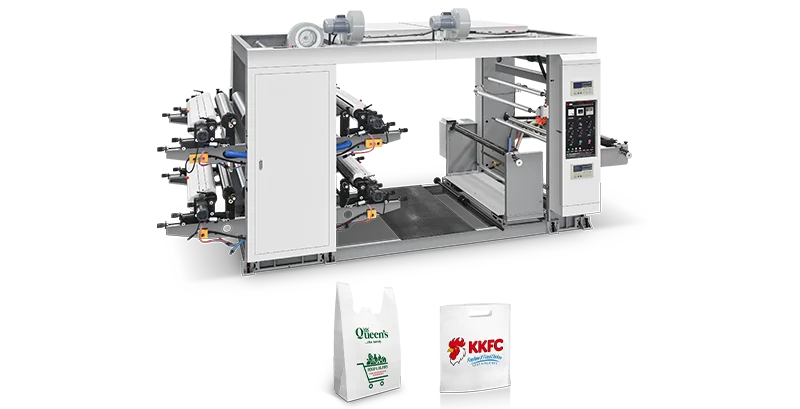
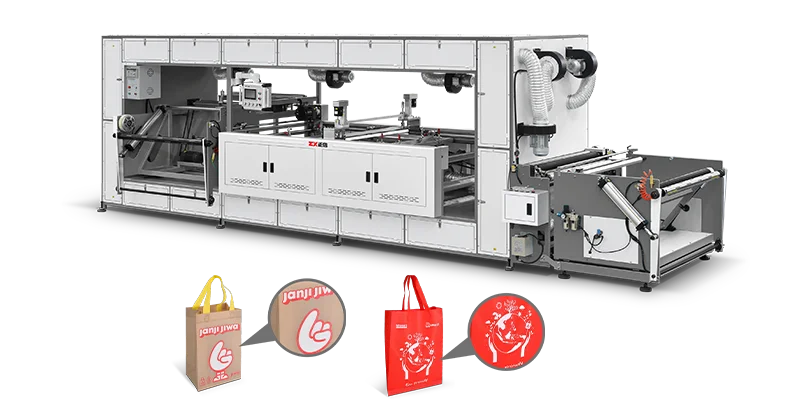
Nonwoven bags have a smooth surface, making them more adaptable for various printing techniques, including flexographic and screen printing. This results in clearer brand logos and marketing designs. ZX’s nonwoven printing machines support high-definition, multi-color outputs for better promotional value. Woven bags, due to their texture, are harder to print on and may require additional processing.
Environmental Impact
Both woven and nonwoven bags are eco-friendly alternatives to single-use plastic bags. However, nonwoven bags are particularly favored in plastic-ban countries due to their recyclability and biodegradable properties when using certain materials. They align with sustainable production trends and are more adaptable to regulations in regions like Southeast Asia, Africa, and South America.
Production Efficiency
Nonwoven bag manufacturing is typically more efficient. Machines like ZX’s fully automatic nonwoven bag making machines integrate ultrasonic welding, touch-screen operation, and multi-bag format capabilities. These machines support large-scale, automated production with lower energy consumption, ideal for clients needing fast delivery and lower operational costs.
Cost Considerations
Woven bags, although more durable, usually cost more due to the labor-intensive weaving process. Nonwoven bags offer a better price-to-performance ratio, especially when ordered in bulk for retail, promotional, or single-use applications. This is particularly valuable in price-sensitive markets like Africa and South Asia.
Application Scenarios
-
Woven Bags: Used in agriculture, cement packaging, and reusable grocery bags.
-
Nonwoven Bags: Ideal for retail packaging, promotional events, food delivery, and fashion shopping bags.
ZX’s nonwoven bag machines offer versatility to create various types, including T-shirt bags, box bags, shopping bags, and laminated bags—meeting the needs of multiple industries from food services to fashion.
Conclusion
Choosing between woven and nonwoven bags depends on your specific usage, budget, and sustainability goals. For mass production, marketing adaptability, and eco-compliance, nonwoven bags are the smart choice.